Material lifespan compared
uPVC vs aluminium vs timber lifespan
Choosing a window material is really choosing how you want to spend the next forty years — a little effort now, or a little upkeep along the way. Each of the three main frame materials keeps well when it suits the house it sits in. Here is how uPVC, aluminium and timber compare on the one measure that matters most to us: how long each really lasts.
| Material | Typical lifespan | What limits it | Upkeep |
|---|---|---|---|
| uPVC | 20–35 years | UV on the frame, worn seals and hardware | Very low — occasional clean and hinge service |
| Aluminium | 30–45 years | Coating wear, cold-bridge condensation on older frames | Low — wipe the powder-coat, keep drainage clear |
| Timber (hardwood) | 40–60+ years | Neglected paintwork letting moisture in | Moderate — repaint every 5–8 years |
uPVC: the low-maintenance long-hauler
uPVC earns its popularity by asking almost nothing of you. A quality multi-chamber profile will run twenty to thirty-five years with little more than a clean and the occasional hinge service. It is the sensible default for most suburban homes. Its ceiling is the frame surface itself, which can chalk on sun-baked elevations, and the hardware, which wears before the frame does. For the full picture, see how long uPVC windows last.
Aluminium: slim, strong and durable
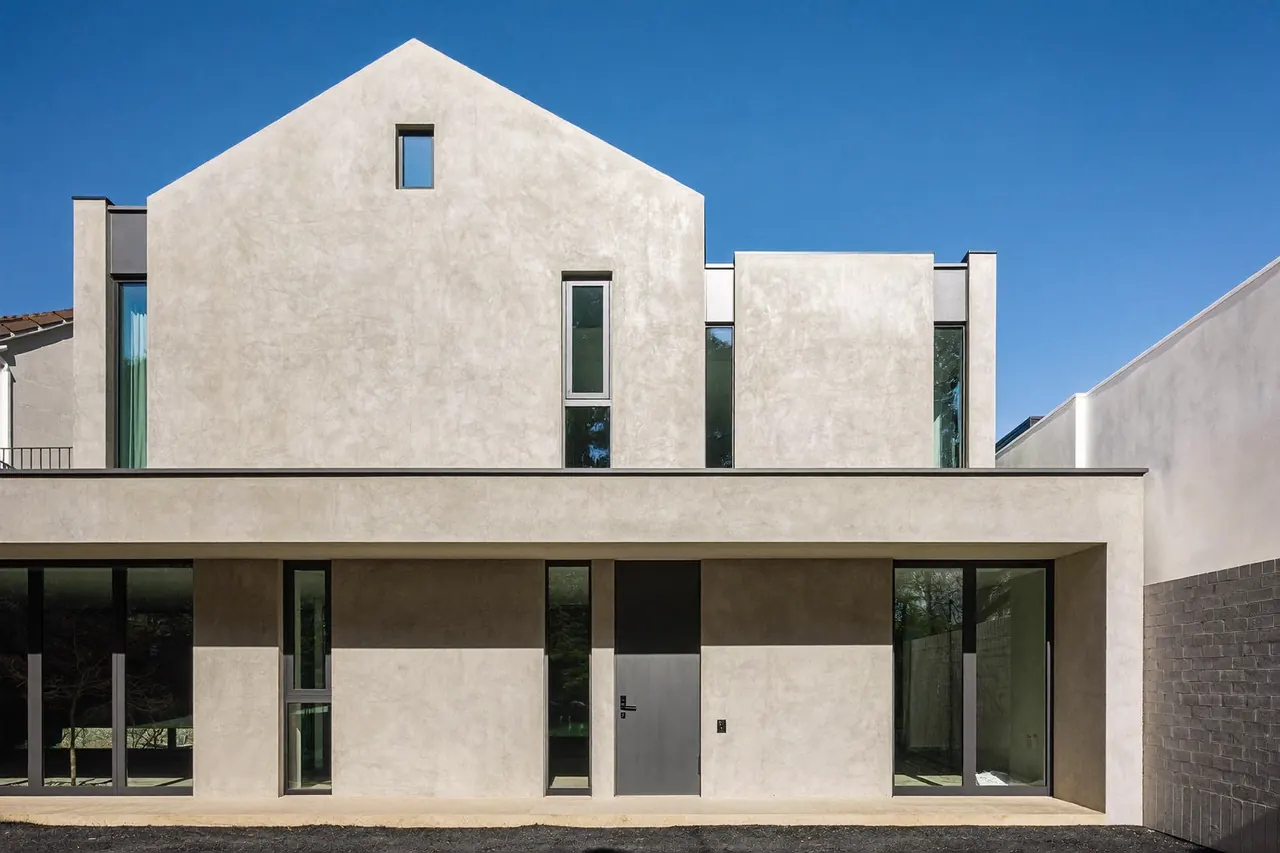
Aluminium is the material to reach for when you want large panes, slim sightlines and real structural strength. A modern thermally broken frame with a good powder-coat finish comfortably lasts thirty to forty-five years and shrugs off coastal and exposed conditions. Its historic weakness — cold bridging and condensation — is largely solved on current systems. The finish is the thing to look after, and it is an easy thing to look after.
Not sure which material suits your home’s age, aspect and exposure? A vetted installer will advise at a free home survey — no obligation.
Request my quote →Timber: the longest life, in exchange for care
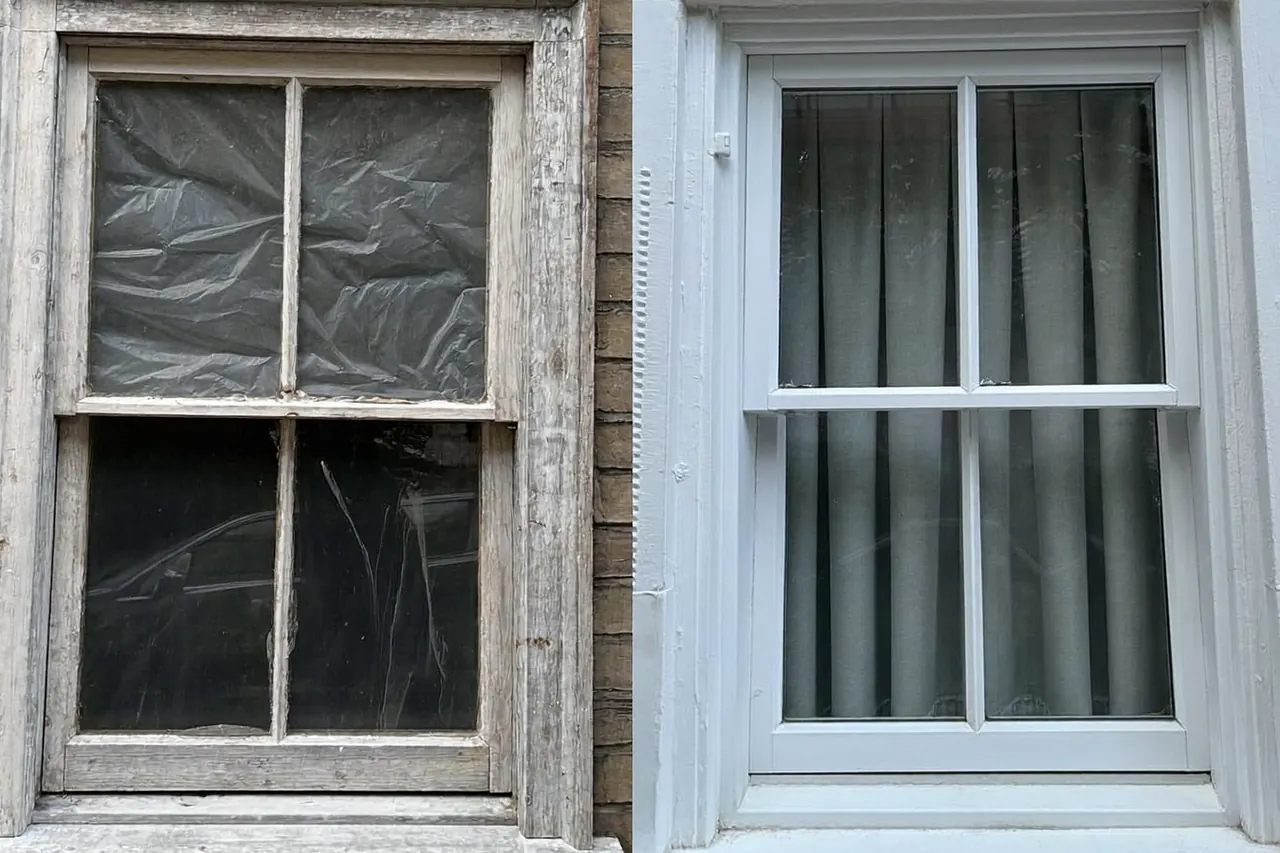
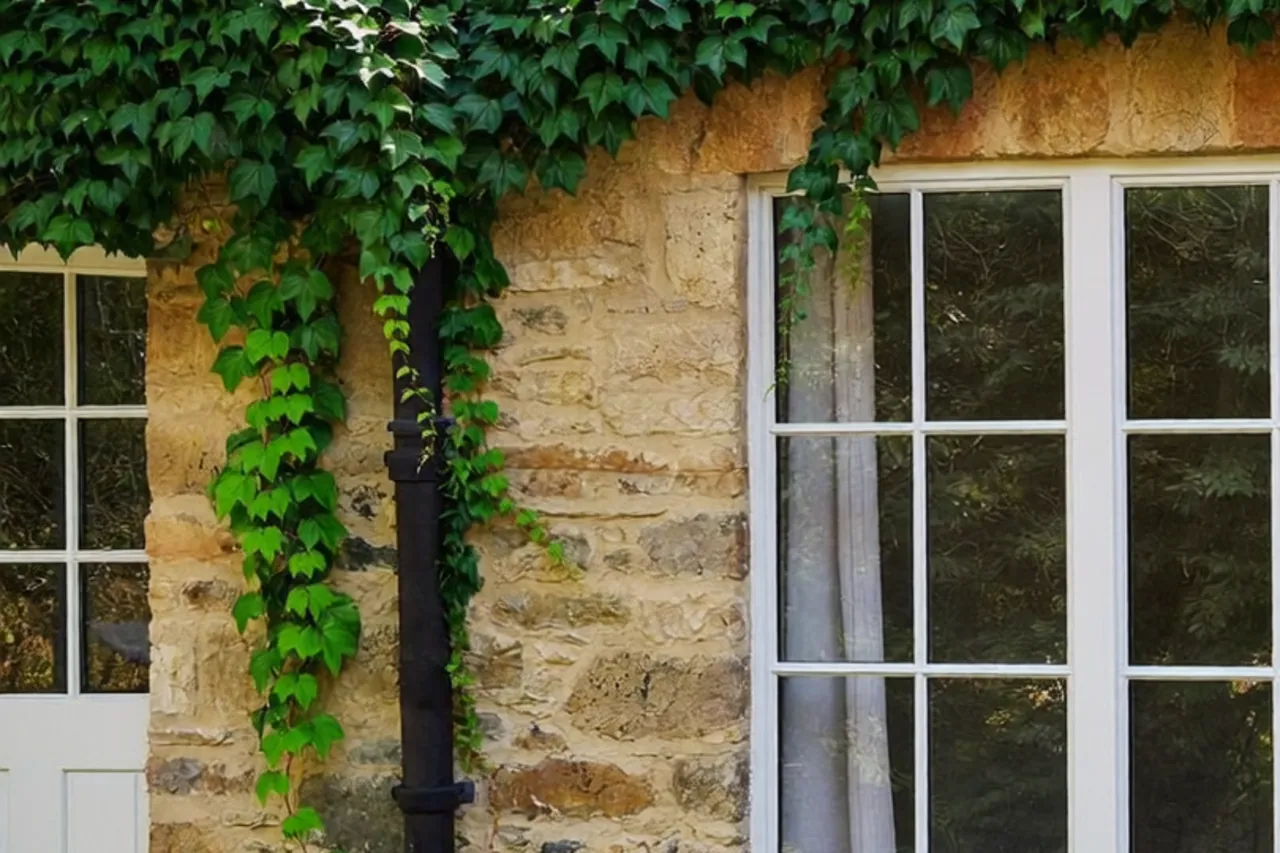
Well-chosen hardwood, properly painted and kept dry, will outlast every other option — forty, fifty, sixty years and beyond, which is why so many original sashes are still in service. The trade is upkeep: a repaint every five to eight years and prompt attention to any bare timber. On a period or conservation-area property it is often the right answer aesthetically as well as practically. Our guide to caring for timber windows sets out the routine, and you can see how the styles differ in this overview of window styles compared.
Which should you choose?
Match the frame to the wall it lives in. A sheltered suburban semi rewards the low upkeep of uPVC; an exposed or architectural home suits aluminium; a period or listed property is usually happiest in timber. Budget and how long you plan to stay both weigh in too — if you would like to spread the cost, look at the funding routes for your property type, where £0-upfront options may be available for those who qualify, subject to eligibility and a home survey.
Whichever you lean towards, the deciding factor for longevity is the same across all three: a proper fit and a guarantee behind it. Read our hub on when to replace your windows before you commit.
Buy once, buy right. Request a free, no-obligation quote and choose the material that will still be serving you decades from now.
Request my quote →