The lifespan hub
When to replace your windows
The hardest part of replacing windows is knowing when. Do it too soon and you spend on frames that had years left; leave it too long and you pay in draughts, damp and heating bills every winter until you do. This is our hub on window lifespan — the signs that yours are genuinely near the end, the ones that only need a service, and where to read next for your material.
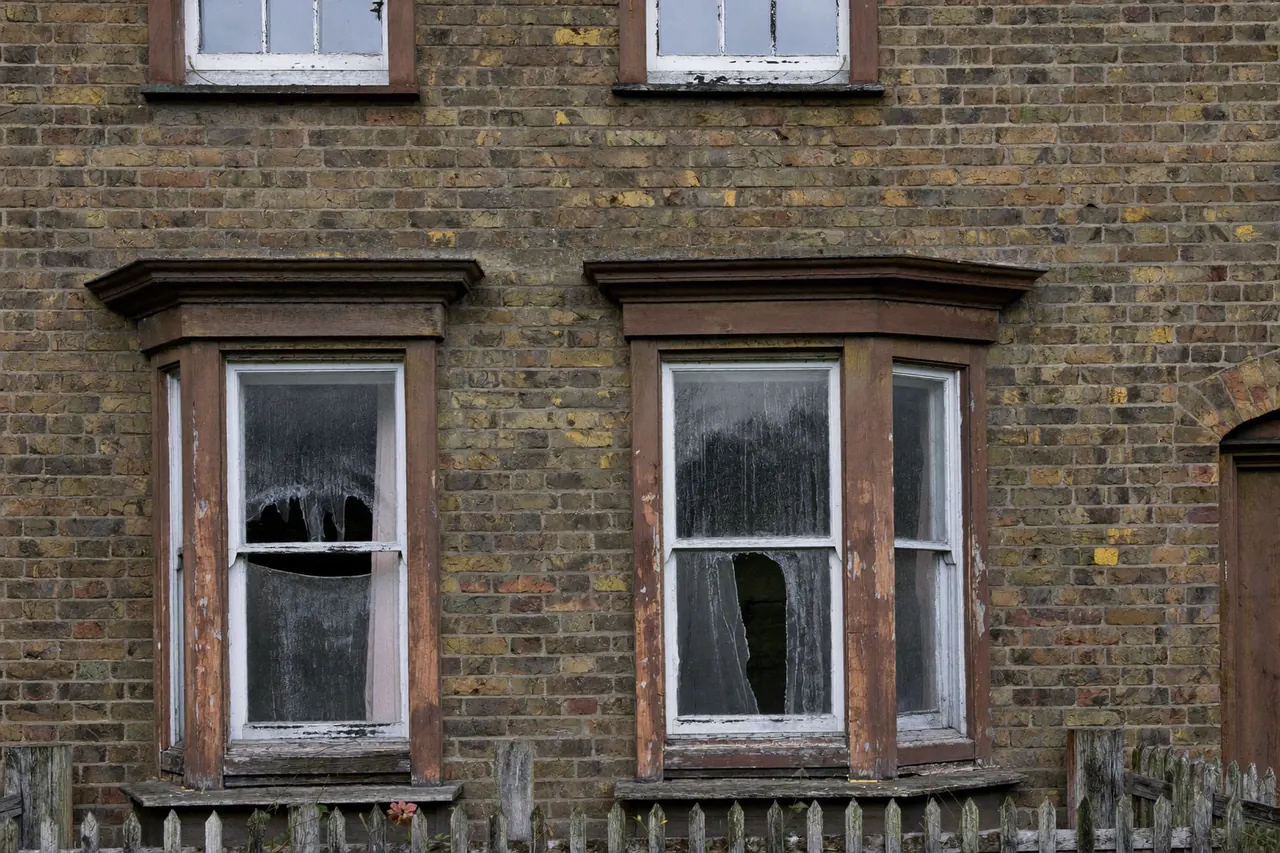
The signs it really is time
No single symptom means “replace” on its own, but when several appear together the case becomes clear:
- Draughts you cannot cure — cold air around a closed window after the seals have been renewed.
- Misting inside the glass that reglazing would fix only for it to return, pointing to tired units across the whole house.
- Frames that no longer close square, stick, or need a shove to lock.
- Condensation and mould creeping back on the reveals each winter.
- Rot, crumbling or discolouration that goes beyond the surface.
- Noticeably rising heating bills in a home that has not otherwise changed.
The signs it is only a service
Just as often, a window that feels “past it” simply needs its moving parts renewed. A single misted unit can be reglazed; a stiff handle or dropped sash is usually a hardware fix; a draught is often a five-pound gasket. Before you replace, rule these out — our guides to window hardware lifespan and a sensible window maintenance schedule cover the jobs that can buy several more good years.
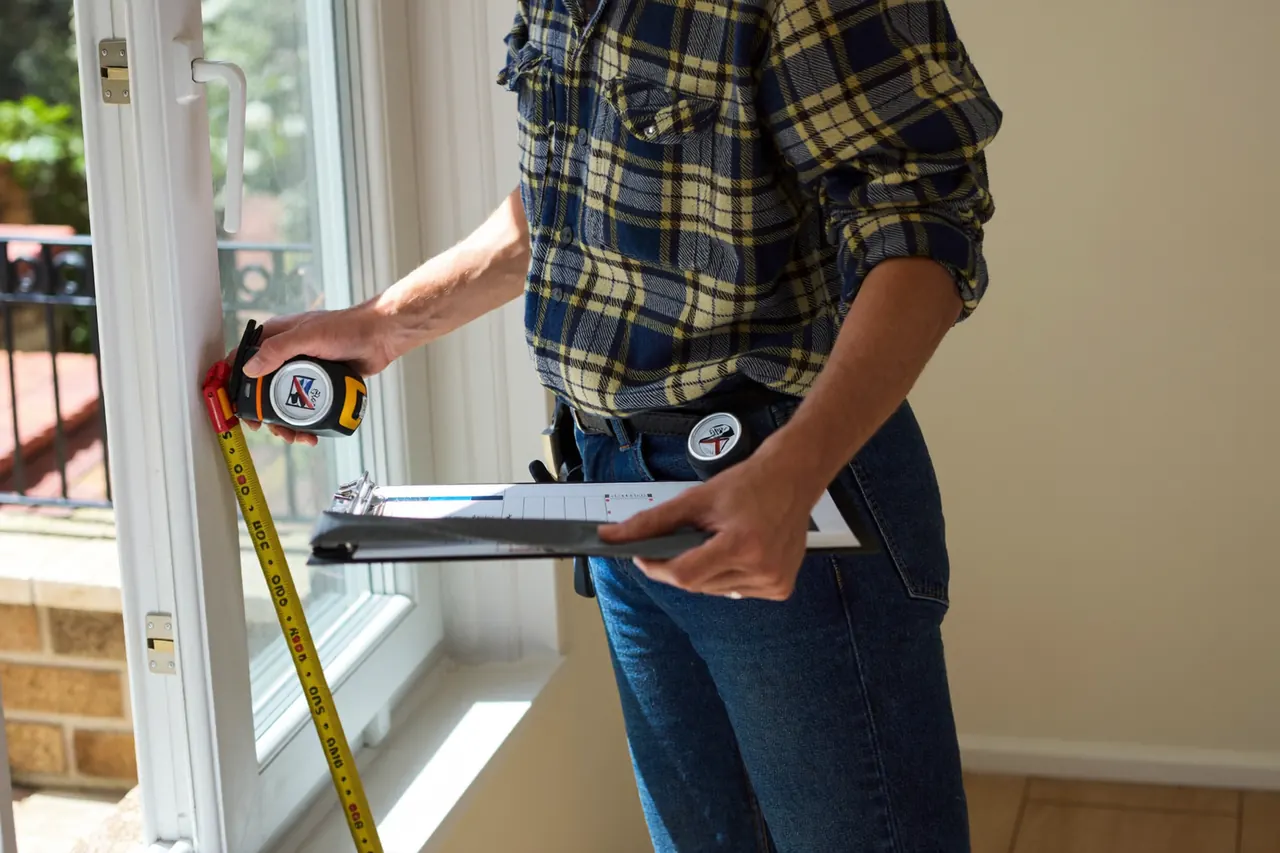
Not sure which camp your windows are in? A vetted installer will give you a straight answer at a free, no-obligation survey — repair or replace.
Request my quote →How long should they have lasted?
Expectations help you judge. Read by material and by component:
- How long do uPVC windows last — 20 to 35 years.
- How long does double glazing last — the sealed units, 15 to 25 years.
- uPVC vs aluminium vs timber lifespan — the three materials side by side.
- Weatherproof windows — how exposure and drainage move the numbers.

Deciding well, once
When replacement is the right call, choose to do it once and do it well. Weigh the material against your home’s age and exposure, insist on a proper fit and an insurance-backed guarantee, and think about the long-term value — see do new windows add value. If cost is the sticking point, look at the funding routes for your property type, where £0-upfront options may be available for those who qualify, subject to eligibility and a home survey. To picture your options, browse window styles compared, and when you are ready to price the work, compare local installers.
Buy once, buy right. Good installers book out — survey appointments in many areas are filling for this month. Request a free, considered quote and take your time deciding.
Request my quote →