uPVC lifespan
How long do uPVC windows last?
uPVC is the frame you will find on more British homes than any other, and for good reason: it is warm, weathertight and asks very little of you once it is in. The honest answer to how long it lasts is twenty to thirty-five years, with the best profiles, fitted and looked after well, reaching the upper end of that range and occasionally beyond. A cheap frame fitted in a hurry may tire in fifteen; a quality one on a sheltered wall can still be working quietly at forty. The gap between the two is rarely luck.
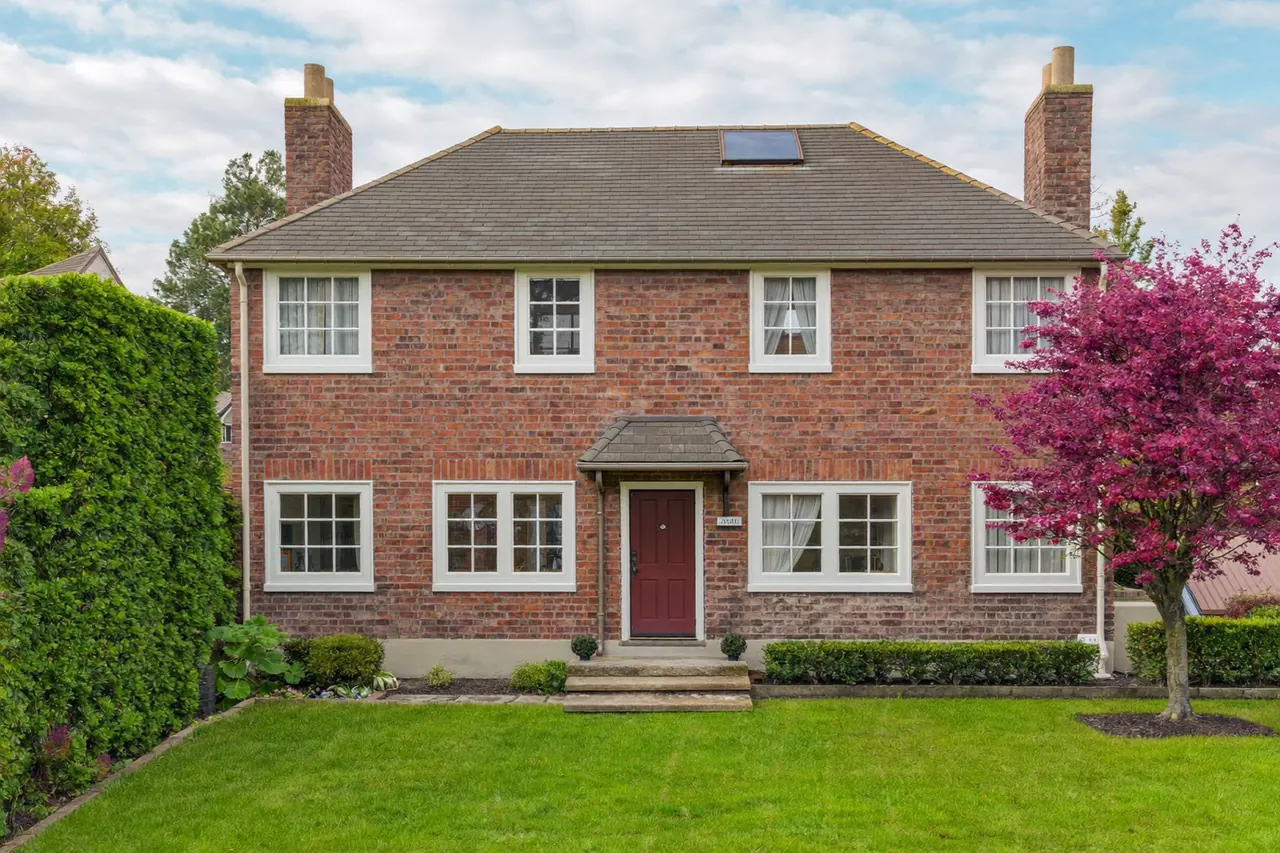
What actually wears out first
uPVC frames themselves seldom “fail” in the way people imagine. What ages a window is usually the smaller parts and the surface, in a fairly predictable order:
- Seals and gaskets harden and shrink first, often within ten to fifteen years, letting in draughts long before anything looks wrong.
- Hinges, handles and locks take the daily strain and are the next to loosen or stiffen — but these are serviceable parts, not reasons to replace the whole window.
- The sealed glass unit has its own clock: misting between the panes points to a failed edge seal, and reglazing is usually cheaper than a full replacement.
- The frame surface can chalk or yellow on sun-baked south and west elevations, which is cosmetic rather than structural.
Understanding this order matters, because it means an ageing uPVC window can often be revived rather than ripped out. Our guide to window hardware lifespan and our window maintenance schedule both cover the small jobs that add years to a frame.
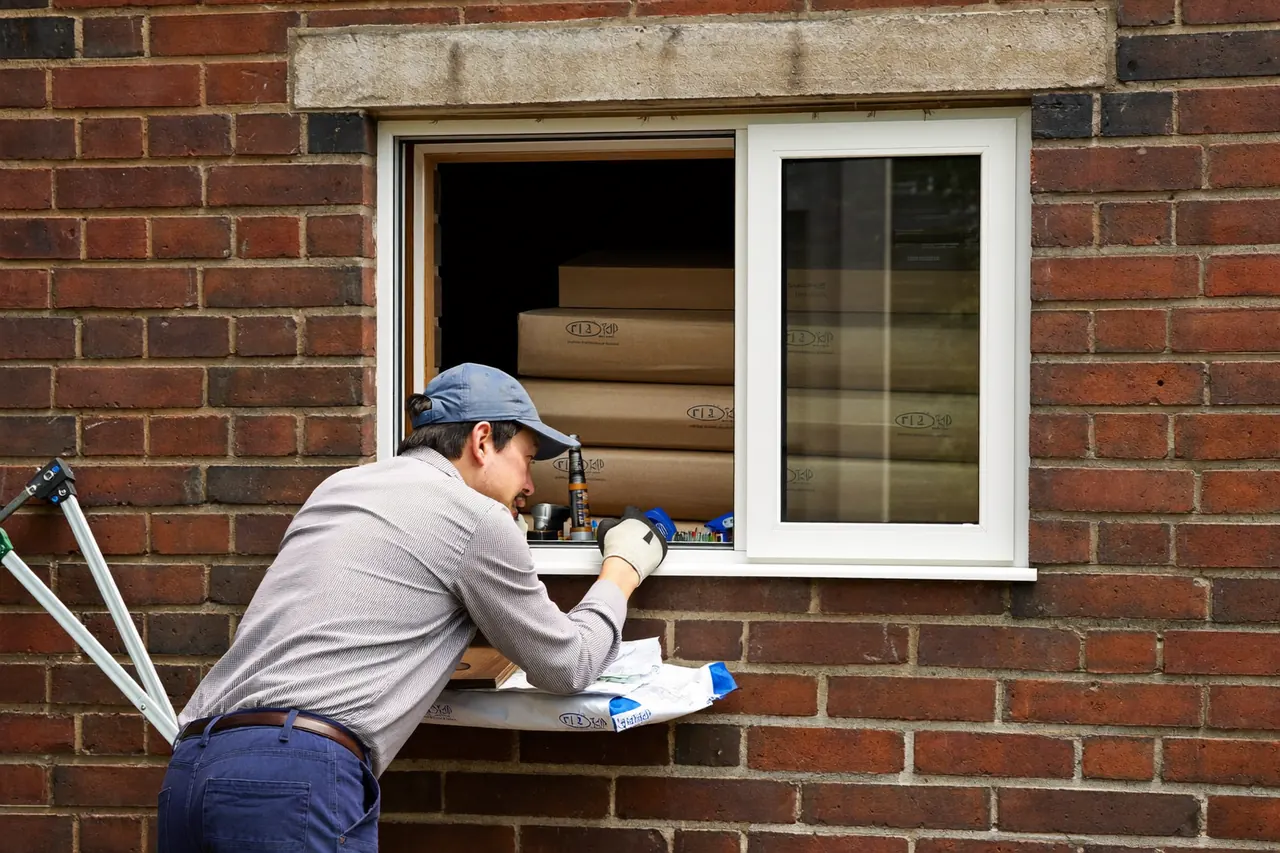
How to reach the upper end of the range
Three things stretch a uPVC window towards its longest life. The first is profile quality — a multi-chambered frame from an established system, ideally with steel or composite reinforcement, simply holds its shape better. The second is a proper fit: most windows that fail early were not badly made, they were badly installed. The third is a little routine care — clean the frames, keep the drainage slots clear, and give the hinges an occasional wipe and lubricate.
Aspect plays a part too. The same window lasts longer on a shaded north wall than on a wall that takes the full afternoon sun. If you are weighing up frame options for an exposed or period property, it is worth seeing the full range of window styles compared before you commit, and looking at the funding routes for your property type if you want to spread the cost.
Wondering whether your uPVC windows have years left or are ready for renewal? A vetted installer can tell you at a free home survey.
Request my quote →uPVC versus the alternatives
uPVC sits in the middle of the durability table: longer-lasting than an older sealed unit, shorter than quality timber or thermally broken aluminium, but far less demanding than either. If you are choosing between materials for the long term, read window material lifespans side by side, and see how long double glazing lasts — because the glass and the frame age on different timelines.
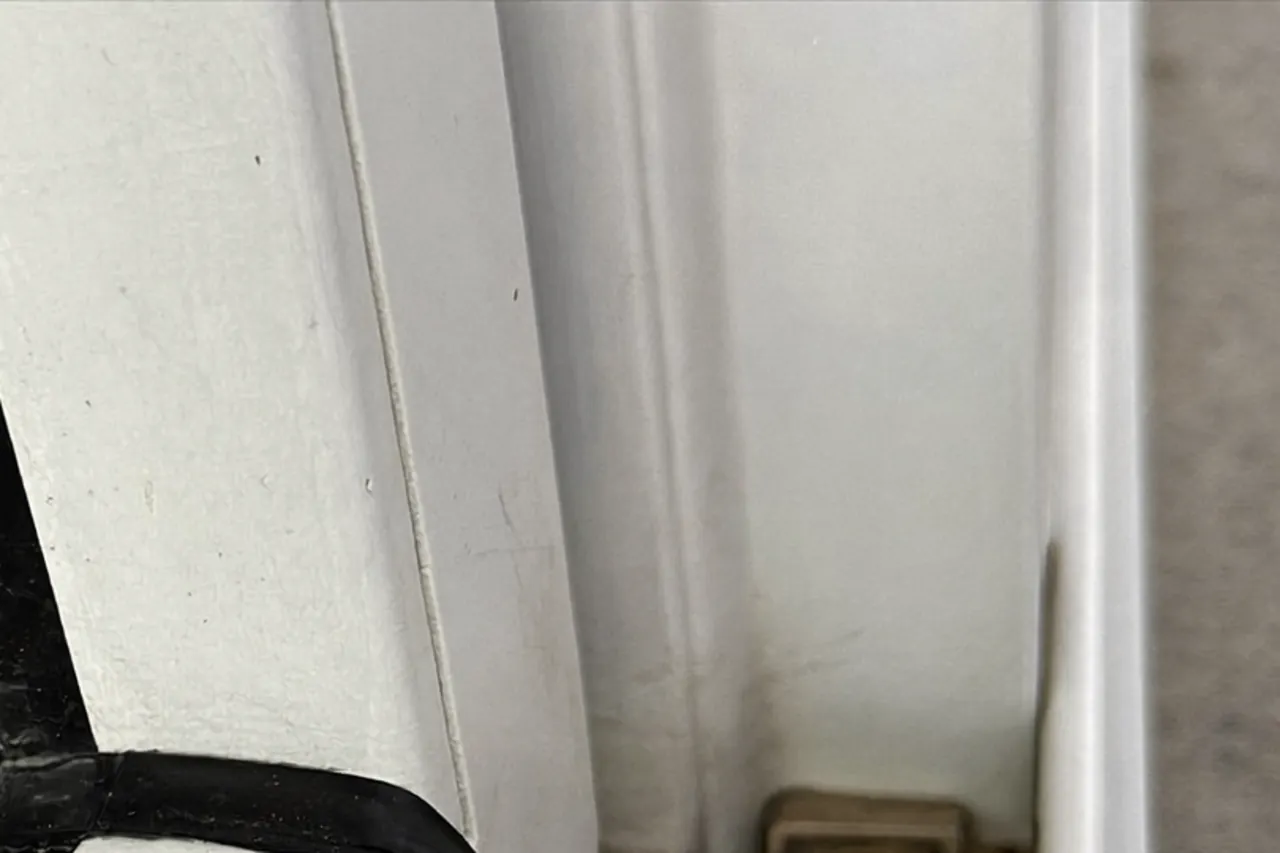
When it is time to replace
Persistent draughts you cannot cure, misting that reglazing will not fix, frames that no longer close square, or condensation and mould creeping back each winter — taken together, these are the point at which replacement pays for itself in comfort and warmth. Our hub on when to replace your windows walks through the signs in full, and when you are ready you can compare local installers before you decide.
Buy once, buy right. Request a free, no-obligation quote for windows chosen to last — good installers book out, and survey appointments in many areas are filling for this month.
Request my quote →