Double glazing lifespan
How long does double glazing last?
Double glazing is really two products in one, and they age on different clocks. The frame may keep going for thirty years or more; the sealed glass unit inside it typically lasts fifteen to twenty-five years before the edge seal begins to fail. Knowing that difference is the key to spending well — because when double glazing “goes”, it is usually the glass that needs attention, not the whole window.
Why sealed units mist up
Inside a double-glazed unit, two panes are held apart by a spacer bar and sealed at the edges, with dry air or an inert gas such as argon in the gap. Over years of daily expansion and contraction, that edge seal eventually perishes. Moisture then creeps into the cavity and you see the tell-tale sign: misting or cloudiness between the panes that no amount of cleaning shifts. The glass has not broken; the seal has simply reached the end of its life.
A few things bring that day forward — poor drainage that leaves units standing in water, south-facing heat and UV, and cheaper units with a thinner seal. A well-made unit on a well-drained frame lasts markedly longer, which is why the quality of the original fit matters so much.
Reglaze or replace?
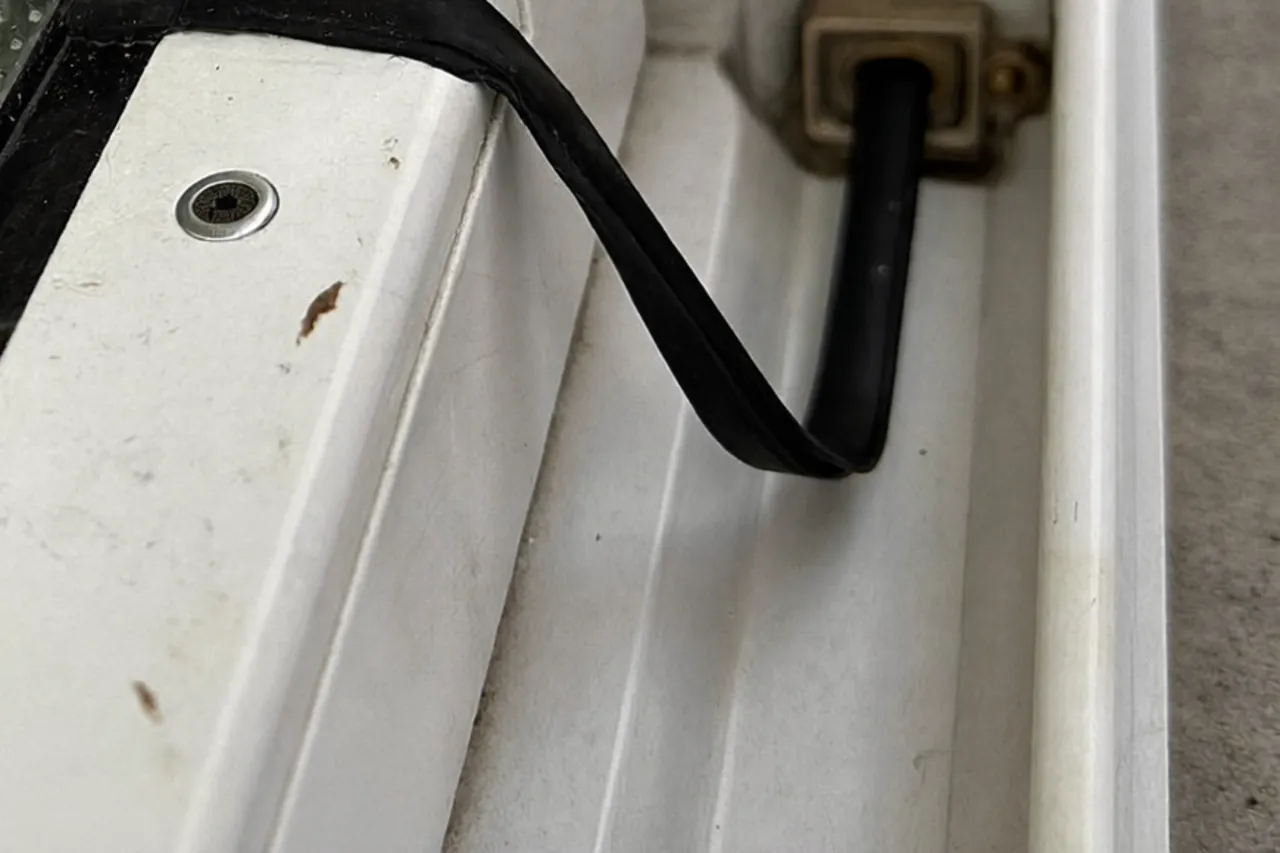
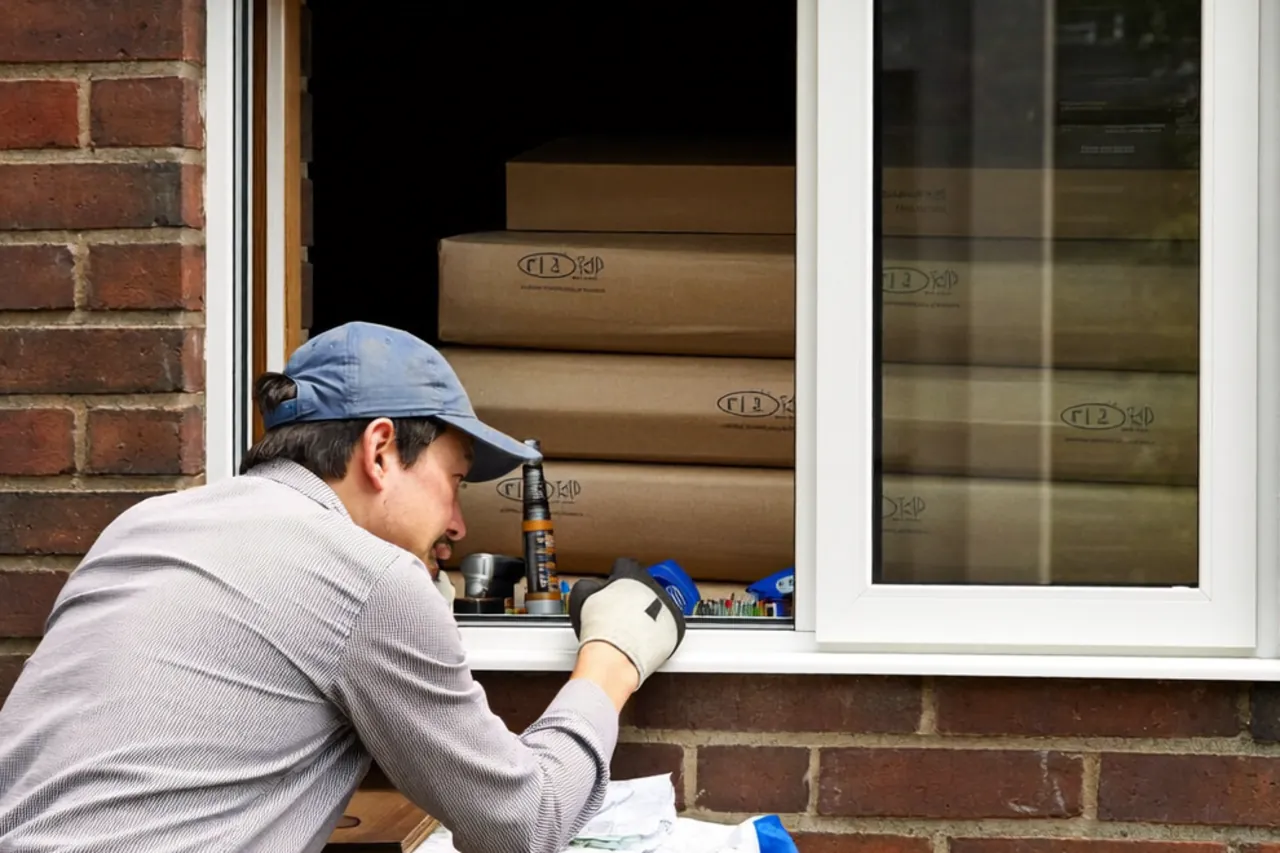
If the frames are sound, square and weathertight, a misted unit can usually be swapped for a fresh one at a fraction of the cost of a new window — the sash stays, only the glass changes. Replacement of the whole window makes more sense when the frames themselves are tired: draughty, discoloured, no longer closing true, or fitted with hardware that keeps failing. Our guide to seals and hardware lifespan helps you judge which camp your windows are in.
Not sure whether you need a reglaze or a full replacement? A vetted installer will assess your units and frames at a free, no-obligation home survey.
Request my quote →Getting the most from your glazing
You can add years to a sealed unit with very little effort. Keep the drainage slots at the bottom of the frame clear so water never sits against the glass; wipe rather than scrape; and ventilate rooms so condensation is not forever running down the inside. According to the Energy Saving Trust, replacing older single glazing with modern A-rated double glazing can meaningfully reduce a typical home’s heat loss through its windows — a comfort gain as much as an efficiency one. For a sense of how frame choice affects the whole window’s life, read how long uPVC windows last, and browse the full range of window styles compared if you are choosing afresh.
Choosing units that go the distance
When you do replace, the details decide the lifespan: a warm-edge spacer, argon fill, a quality low-emissivity coating and, above all, a fitter who beds and drains the unit correctly. A good installer will talk you through the specification rather than just quoting a price. When you are ready to gather quotes, you can compare local installers and see which offer the guarantees you want on their glass.
For the wider picture — the signs that tip a window from “serviceable” to “replace” — see our hub on when to replace your windows.
Buy once, buy right. Request a free, considered written quote for glazing built to last, and take your time over the decision.
Request my quote →