Window maintenance
A window maintenance schedule that adds years
Windows reward a little attention out of all proportion to the effort. A frame that is cleaned, drained and occasionally lubricated will comfortably outlast one that is left to fend for itself — often by a decade. None of it is difficult, and most of it takes minutes. Here is a simple seasonal routine that keeps any material, from uPVC to timber, at its best.
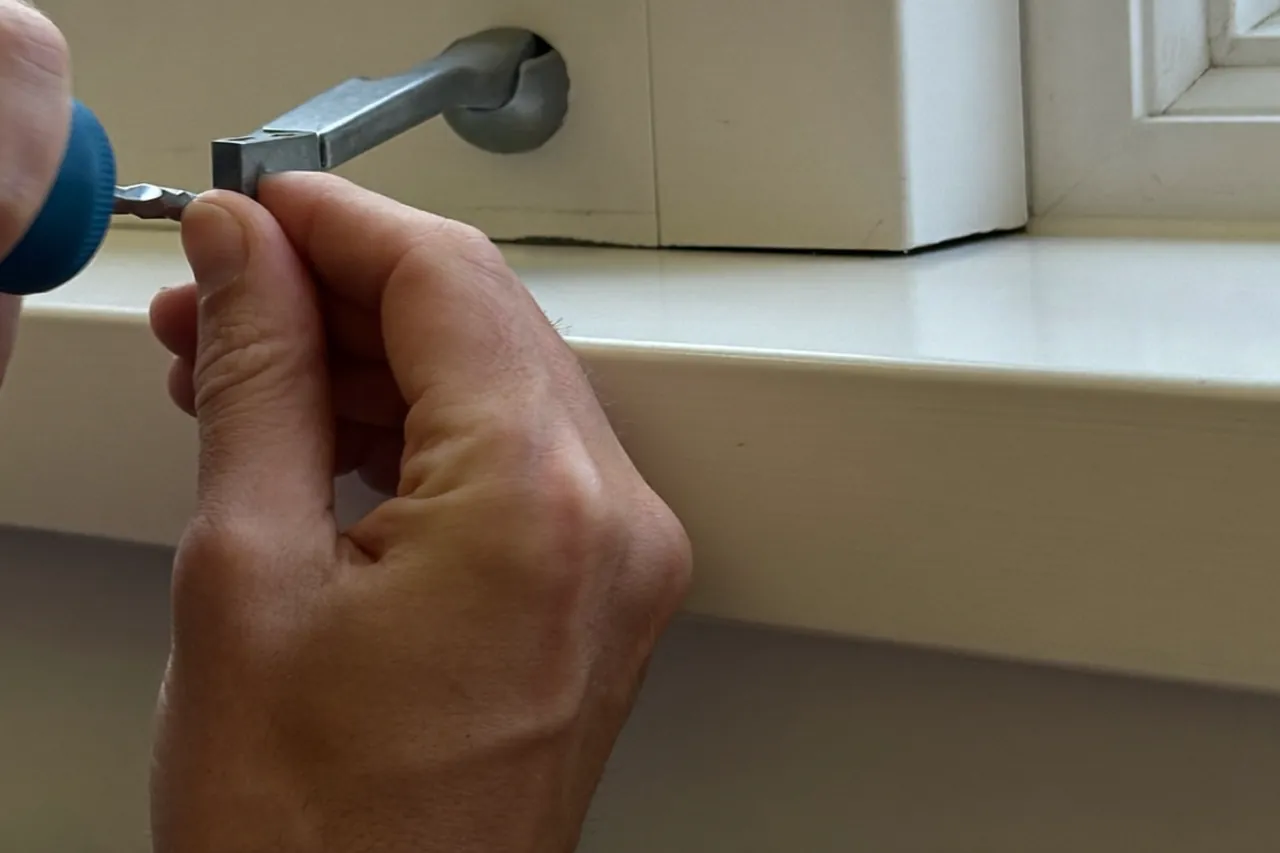
Twice a year: clean and clear
In spring and again in autumn, give the frames a wipe with mild soapy water and a soft cloth — never an abrasive or a solvent, which can dull the surface. Just as important, clear the small drainage slots along the bottom of the frame with a soft brush. Blocked drainage is the hidden cause of many an early sealed-unit failure, because it leaves water standing against the glass. Wipe the glass, check nothing is pooling on the sill, and you have done the single most valuable job of the year.
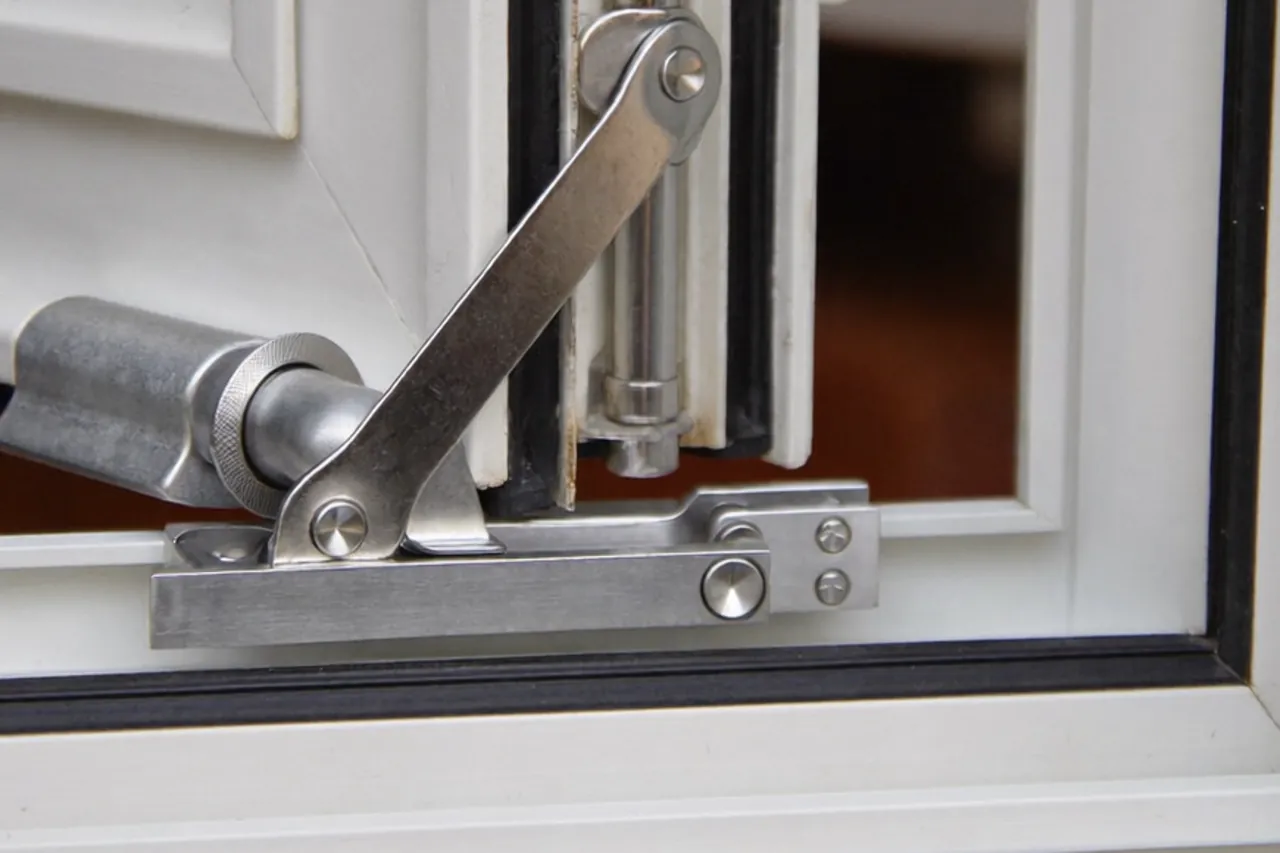
Once a year: the moving parts
Hardware is what wears before the frame does, so give it an annual service. A little light machine oil or a proper hinge lubricant on the friction stays, a smear of the right grease on the locking points, and a check that handles turn without force — that is usually enough to add years to the mechanism rather than replacing it. If anything feels stiff, gritty or loose, note it. Our guide to window hardware lifespan covers renewing the parts that do eventually wear out.
If a routine check turns up worn seals, misted glass or frames that no longer close square, a vetted installer can assess them at a free, no-obligation survey.
Request my quote →
Check the seals and gaskets
Run a finger around the rubber gaskets and weather seals each year. They harden and shrink with age, and a hairline gap you can barely see is often the source of a draught you can definitely feel. Many gaskets can be replaced on their own, cheaply, without touching the rest of the window. If you feel cold air around a closed window, read weatherproof windows for how to trace and cure it.
Timber needs a little more
Painted timber windows follow the same routine, with one addition: keep an eye on the paintwork and touch up any bare or flaking patches before moisture gets in. A full repaint every five to eight years is what takes hardwood frames past half a century. The detail is in our guide to caring for timber windows. Whatever the material, seeing the full range of window styles compared helps you understand how each is built and maintained.
When maintenance is no longer enough
Upkeep buys years, but not forever. Persistent draughts you cannot seal, misting that will not clear, condensation and mould returning each winter, or frames that have moved — these are the signs that replacement now makes better sense than another season of patching. Our hub on when to replace your windows helps you judge the moment, and you can compare local installers when you are ready.
Buy once, buy right. When upkeep is no longer enough, request a free, considered quote for windows built to last.
Request my quote →