The paperwork that lasts
Window warranties & guarantees explained
A window guarantee is the quiet part of the purchase, and the part that matters most in year twelve. It is easy to skim past in the excitement of choosing frames and glass, yet it is the single document that decides who pays if something goes wrong long after the fitters have gone. Understanding it before you sign is how a purchase becomes a long-term asset.

The two layers of cover
Almost every window purchase carries two separate guarantees, and it pays to know which is which:
- The manufacturer’s guarantee covers the product itself — the frames, the sealed glass units and the hardware — against defects. Frame cover of ten years is common; sealed units and hardware are often shorter.
- The installer’s guarantee covers the workmanship: whether the window was fitted square, weathertight and to standard. This is the one that protects you against draughts, leaks and movement that come down to the fit rather than the product.
Both matter, because a perfect window fitted poorly fails just as surely as a poor window fitted well. Our guide to hinges, seals and hardware explains which parts these guarantees are most likely to be called on to cover.
Why “insurance-backed” is the phrase to look for
An installer’s guarantee is only as good as the company standing behind it. If that company stops trading, an ordinary guarantee can quietly become worthless. An insurance-backed guarantee (IBG) solves that: a third-party insurer honours the cover even if the original installer is no longer around. It is inexpensive, often included, and it is the difference between a promise and a protection. For context, our installation partner offers insurance-backed guarantees from the UK’s No.1 installer on Trustpilot.
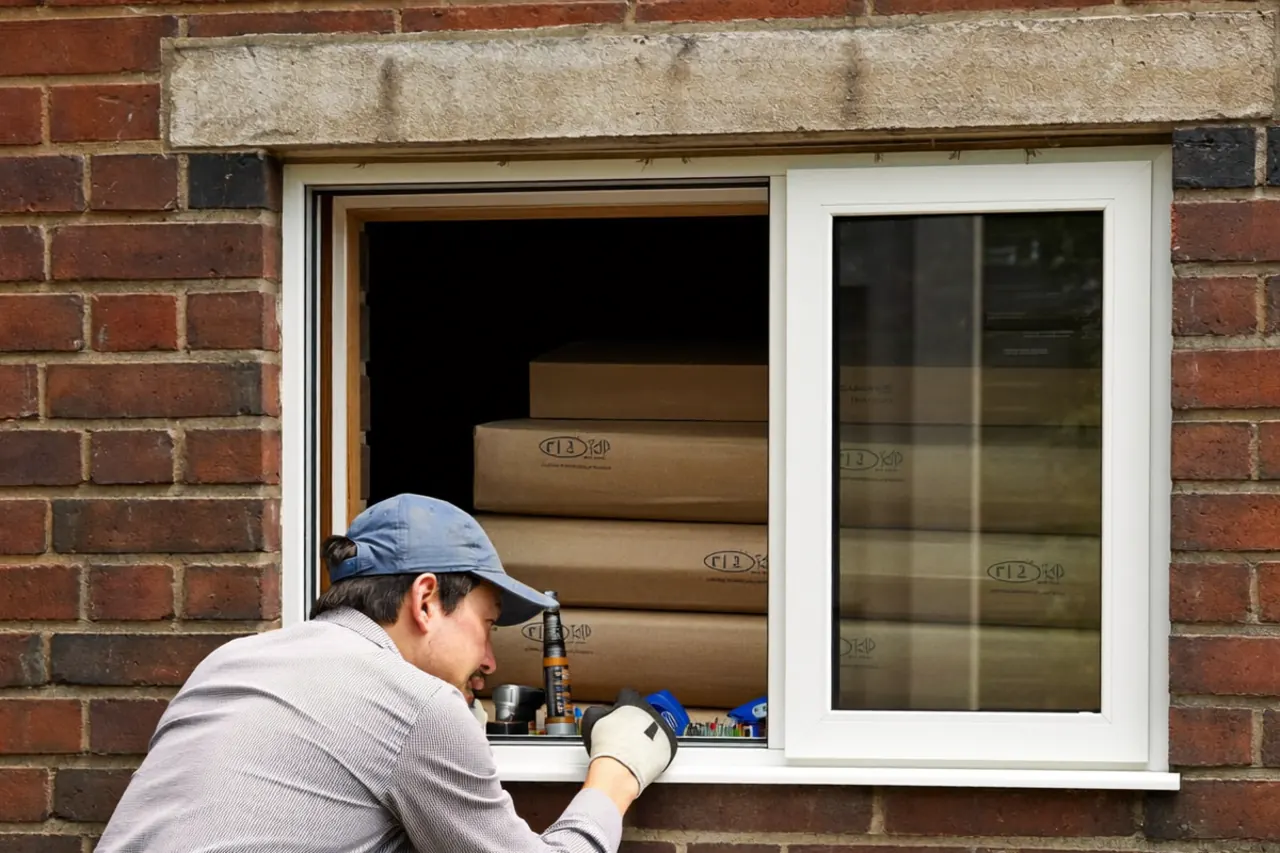
Want a written quote that spells out exactly what is guaranteed? A vetted, registered installer will put it in writing at a free, no-obligation survey.
Request my quote →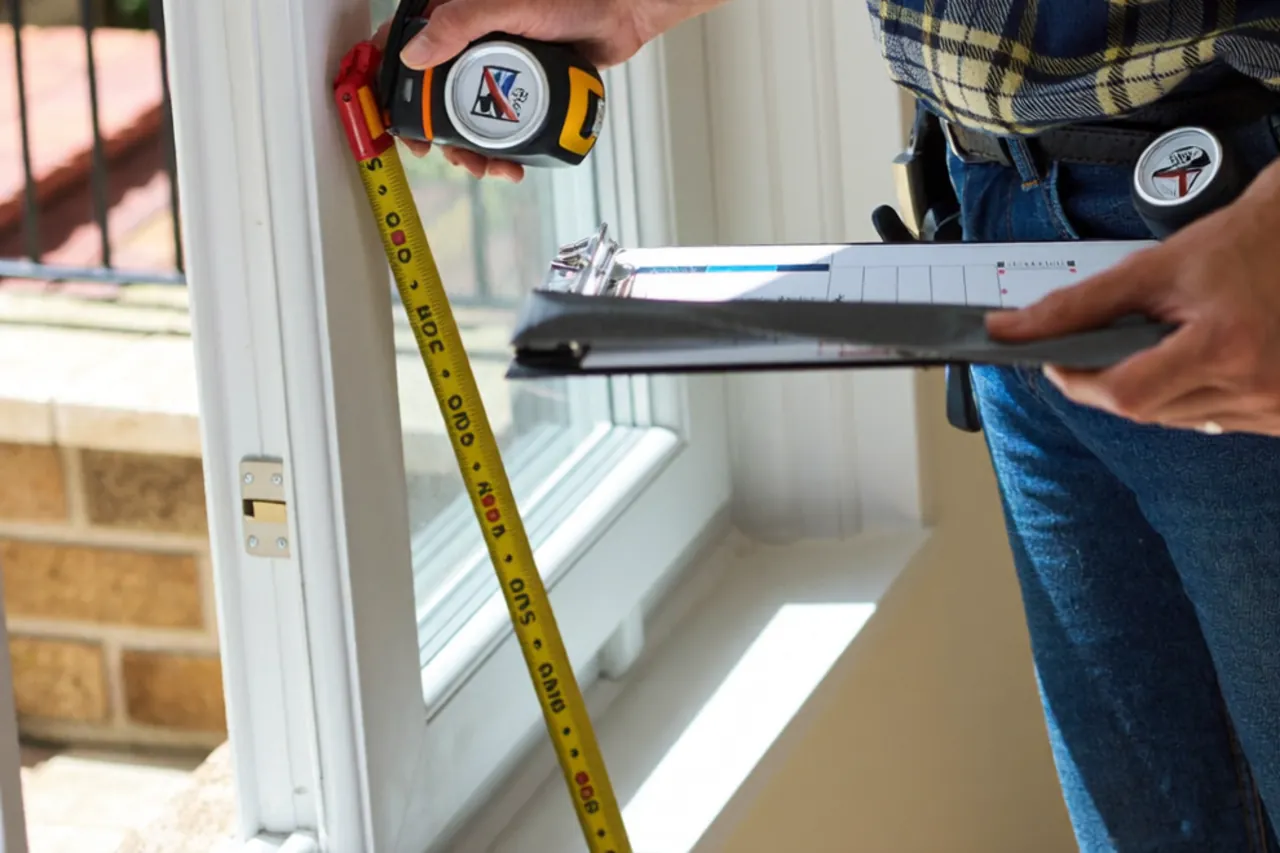
Registered installers and building regulations
Replacement windows are covered by building regulations, and using a registered installer — through a competent-person scheme such as FENSA or CERTASS — means the work is self-certified as compliant. You receive a certificate for your records, which matters when you come to sell. Choosing a registered firm from the outset saves you chasing certificates later; you can compare local installers and check their registrations before you commit.
Five questions to ask before you sign
- How long is the guarantee, and does it cover frames, glass and hardware separately?
- Is the installer’s workmanship guarantee insurance-backed?
- Is the firm registered with a competent-person scheme, and will I get a certificate?
- Is the guarantee transferable if I sell the house?
- What exactly is excluded — accidental damage, misuse, condensation from lifestyle?
Good guarantees are also a value question. If you are weighing the long-term worth of the work, see do new windows add value, and explore funding routes for your property type if you would like to spread the cost, where £0-upfront options may be available for those who qualify, subject to eligibility and a home survey. To keep any guarantee valid, follow a simple window maintenance schedule — neglect is a common exclusion.
Buy once, buy right. Request a free, considered quote with the cover explained in plain terms before you decide anything.
Request my quote →